
𝐖𝐞𝐬𝐭𝐞𝐫𝐧 𝐊𝐞𝐧𝐲𝐚 𝐬𝐭𝐚𝐤𝐞𝐡𝐨𝐥𝐝𝐞𝐫𝐬 𝐜𝐚𝐥𝐥 𝐟𝐨𝐫 𝐢𝐧𝐭𝐞𝐫𝐞𝐬𝐭-𝐟𝐫𝐞𝐞 𝐬𝐭𝐮𝐝𝐞𝐧𝐭 𝐥𝐨𝐚𝐧𝐬
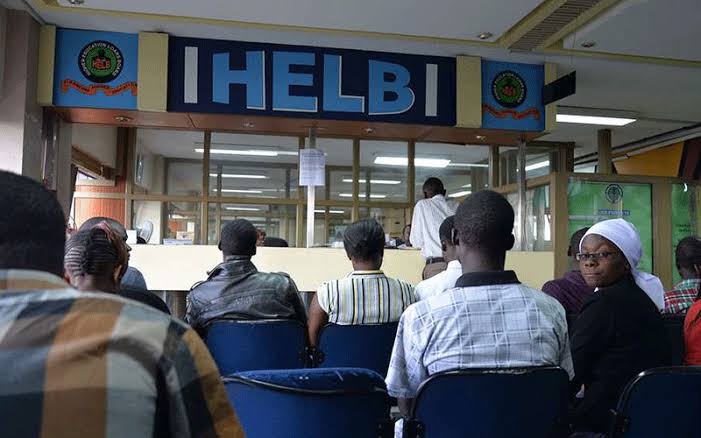
Students getting helb services. Photo Courtesy of People Daily
Education stakeholders in Western Kenya have asked Parliament to remove interest on student loans proposed under the Tertiary Education, Placement and Funding Bill, 2026.
The stakeholders said charging interest on loans would increase the amount graduates have to repay, particularly for students from low-income families who depend on government loans to finance their education.
The concerns were raised on Tuesday, September 29, during a public participation exercise by the National Assembly Departmental Committee on Education at Kibabii University in Bungoma and Alupe University in Busia.
The committee is collecting views on six education-related Bills.At Alupe University, stakeholders proposed that student loans should be interest-free.
They argued that many students rely on government financing to meet education-related costs, including tuition, accommodation and upkeep.
Youth leader Harriet Opoma told the committee that the existing cost of student loans places an additional burden on beneficiaries.
“The current loan interest of 4 per cent per annum on the outstanding balance, in addition to a KES 1,000 ledger fee, is detrimental. Most students who apply for these study loans come from low-income households and rely on the financial support to cover tuition, accommodation and upkeep.”
The 4 per cent annual interest and KSh1,000 ledger fee cited by Opoma are currently applicable to undergraduate and TVET loans under the existing HELB system.
The proposed legislation is intended to establish a new framework for tertiary education financing, meaning the current HELB terms should be distinguished from the provisions of the Bill.
The proposed law has also raised concerns over when graduates would be expected to begin repaying their loans.Clause 49(1) of the Bill provides that repayment should begin within one year after completion of studies, together with applicable interest and other charges.
This provision has prompted stakeholders to argue that repayment should instead be linked to a graduate securing employment or earning an income.
At Kibabii University, Deputy Vice-Chancellor for Academics and Student Affairs Joseph Ogendo proposed that repayment should begin within one year of employment, including where there is evidence of gainful employment.
The stakeholders argued that graduating does not automatically mean that a person will secure a job within one year, and that repayment requirements should take into account the graduate’s ability to earn.
The proposed salary deductions have also attracted opposition.Clause 49(4) allows the proposed Tertiary Education Funding Authority to deduct up to 25 per cent of a loanee’s emoluments when recovering an education loan.Kibabii University called for the ceiling to be reduced to 10 per cent.
Ogendo told the committee:
“In reference to clause 49 (4), this proposal is excessively punitive, and KIBU proposes that the Authority should not deduct more than 10 per cent of the loanee’s emoluments.”
The Tertiary Education, Placement and Funding Bill seeks to change the way university and other tertiary education is financed.
It proposes the creation of the Tertiary Education Funding Authority, which would take over key functions currently handled by institutions including the Higher Education Loans Board and the Universities Fund.
The Bill is still before Parliament and is undergoing public participation. The views submitted by stakeholders will form part of the considerations as lawmakers scrutinise the proposed changes before the legislation proceeds through the remaining stages of the parliamentary process.
The National Assembly currently lists the Tertiary Education, Placement and Funding Bill, 2026, among Bills before the House.