𝐀𝐫𝐞 𝐊𝐞𝐧𝐲𝐚𝐧𝐬 𝐂𝐡𝐚𝐮𝐯𝐢𝐧𝐢𝐬𝐭𝐢𝐜? 𝐂𝐨𝐮𝐥𝐝 𝐊𝐞𝐧𝐲𝐚 𝐄𝐥𝐞𝐜𝐭 𝐚 𝐖𝐨𝐦𝐚𝐧 𝐏𝐫𝐞𝐬𝐢𝐝𝐞𝐧𝐭?
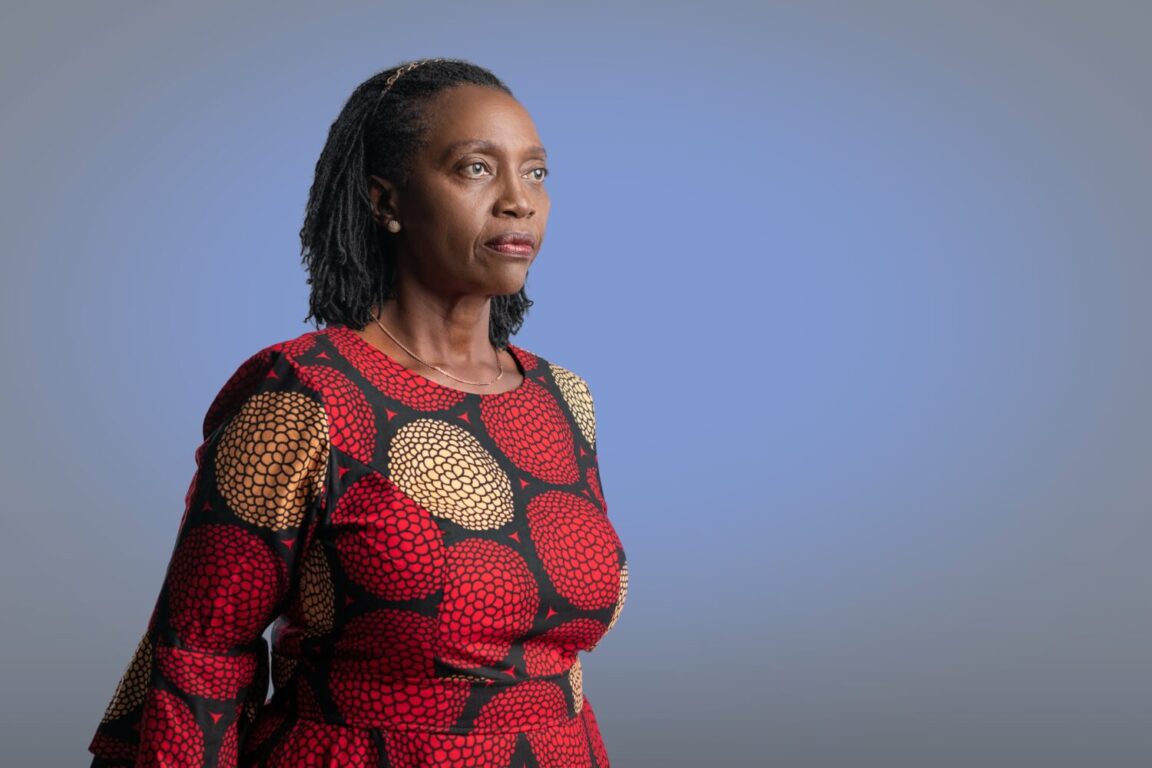
Martha Karua. Photo Courtesy of Vellum Kenya.
For more than six decades, Kenya has recognized only one gender at the top of the political ladder: men.
Since independence in 1963, five men have occupied the presidency , Jomo Kenyatta, Daniel arap Moi, Mwai Kibaki, Uhuru Kenyatta and William Ruto. Ruto, who was sworn in on September 13, 2022, is the country’s fifth President.
But does this history mean Kenyans are unwilling to elect a woman as President?Or is the bigger problem the political system that women must navigate before they can even become serious contenders for the country’s highest office?
The answer may not be as simple as calling Kenya a “chauvinistic” country.
A history dominated by men
Kenya’s presidential history is undeniably male-dominated.
Jomo Kenyatta became President when Kenya became a republic in 1964 and served until his death in 1978.
Daniel arap Moi then led the country until 2002, when Mwai Kibaki won the presidency. Kibaki served until 2013, followed by Uhuru Kenyatta, who served two terms before William Ruto took office in 2022.
Women climbing up the political ladder
Kenya’s first female presidential candidates emerged in 1997, when Charity Ngilu and the late Wangari Maathai entered the presidential race.
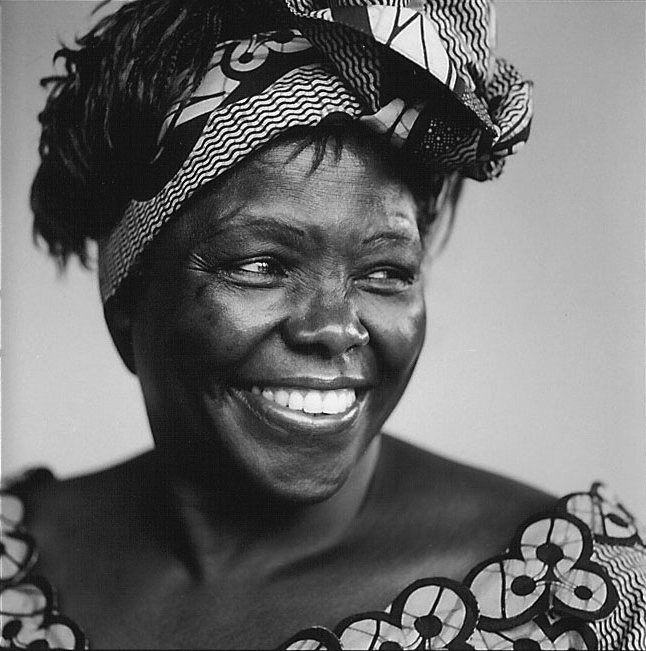
The late Wangari Maathai. Photo Courtesy of Green Belt Movement.
Ngilu received 488,600 votes, about 7.9 per cent, while Maathai received 4,196 votes.
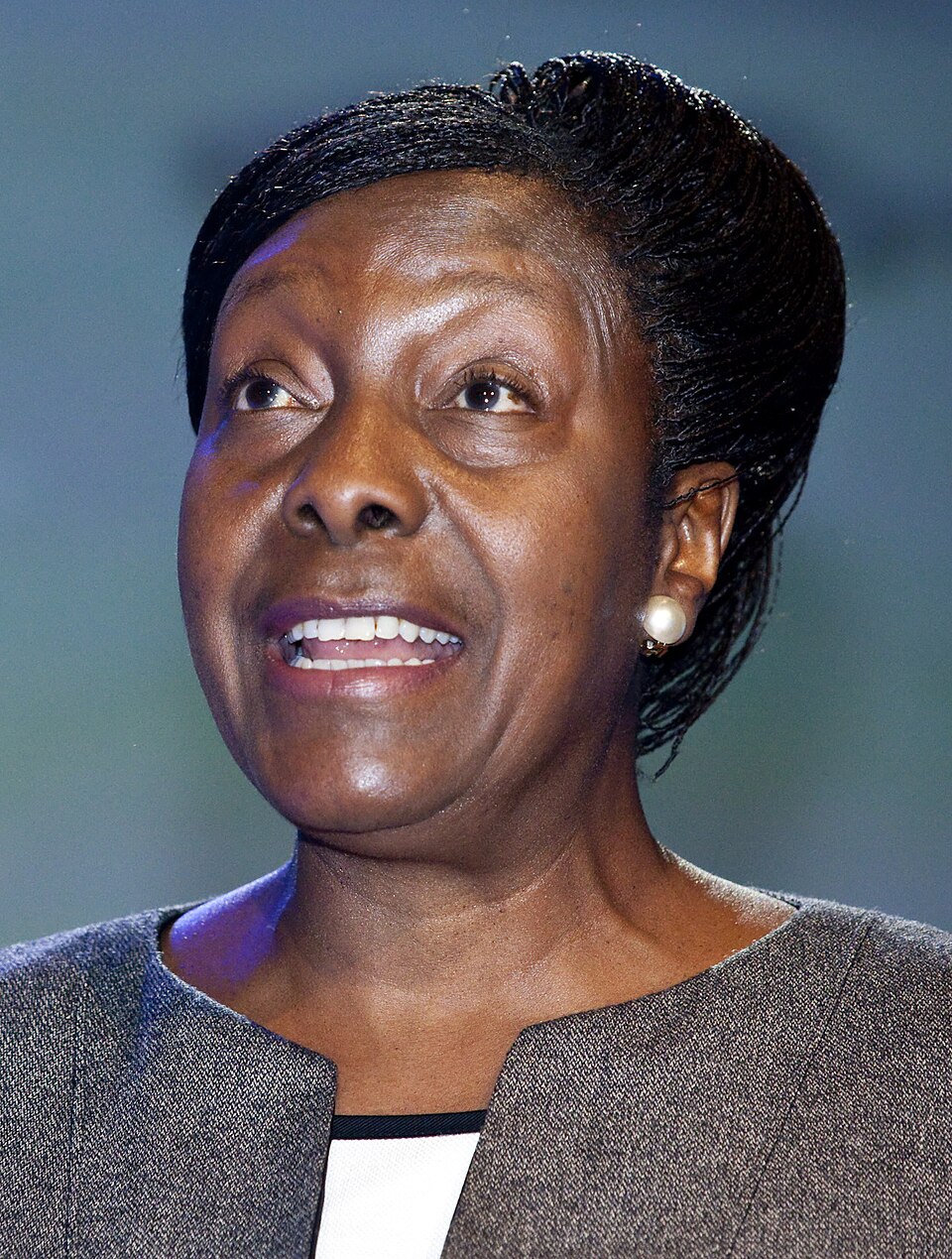
Photo Courtesy of Wikipedia
The 2013 election provided another important test.
Martha Karua, then a prominent politician, lawyer and former Cabinet minister, contested the presidency under the NARC-Kenya ticket.
She received 43,881 votes, equivalent to 0.36 per cent of the valid vote, finishing sixth in a field of eight candidates.
Her result was a sharp reminder that political experience alone does not guarantee electoral success.
Was Karua rejected because she was a woman?
This is where Kenya’s political debate becomes more complicated.
Academic research on Karua’s 2013 campaign has examined how gender, ethnicity, political resources and party organisations interacted to affect her presidential bid.
One Oxford Academic study describes the challenges faced by Karua as a woman attempting to compete for the presidency in a political environment where gender and ethnic identities could shape perceptions of leadership.
That does not, however, prove that every Kenyan who rejected Karua did so because she was a woman.
Her campaign also faced the realities confronting many smaller presidential campaigns: limited resources, weaker national political machinery and the difficulty of building a broad coalition in an election dominated by major political alliances.
That distinction matters.
Blaming all of Karua’s defeat on sexism would oversimplify the election. But dismissing the role of gender would also ignore the barriers women have historically faced in Kenyan politics.
Women are winning but mostly below State House
Women have increasingly won elective positions as Members of County Assemblies, Members of Parliament, Senators, Governors and County Woman Representatives.
According to UN Women, following the 2022 General Election, women held 23.3 per cent of elected positions, up from 21 per cent in 2017.
Seven of Kenya’s 47 governors were women, while women also held 21 of 67 Senate seats and 718 of 2,166 MCA positions.
Yet there remains a significant gap between women’s participation in lower levels of elective politics and their access to the presidency.
The presidency is different.
It requires enormous financial resources, national networks, party structures, political alliances and the ability to appeal to voters across ethnic, regional, religious and economic lines.
These demands can make an already difficult contest even harder for women entering a political system historically dominated by men.
So, could Kenya elect a woman president?
Yes. But history shows that getting there will require more than having a qualified woman on the ballot.
A woman seeking State House would have to convince millions of voters that she is not merely a “woman candidate”, but a credible national leader capable of handling the economy, security, foreign affairs, unemployment, healthcare and the everyday problems facing ordinary Kenyans.
The same standard should apply to male candidates.The question should not be whether a woman can lead Kenya.
The more important question is whether Kenyans are prepared to judge a woman seeking the presidency by the same standards they apply to men competence, integrity, policies, leadership record and ability to deliver.
The 2022 election offers another lesson
The 2022 presidential election demonstrates just how powerful political alliances and national networks remain.
William Ruto was declared the winner with 7,176,141 votes, or 50.49 per cent, against Raila Odinga’s 6,942,930 votes, or 48.85 per cent. The Supreme Court subsequently upheld the result.
The election was not simply a contest between two individuals. It involved powerful coalitions, running mates, political parties, regional support bases and extensive campaign machinery.
For a woman to win the presidency, she would therefore need more than gender equality rhetoric.
She would need a political organisation capable of competing at the same national scale.
And that raises another uncomfortable question: Are Kenyan political parties willing to build women into presidential contenders, or are women still expected to prove themselves within systems designed around male political leadership?
From “Can she lead?” to “What does she stand for?”Kenya’s political culture has changed considerably since 1997.
Women have moved from being rare figures in national politics to occupying prominent positions throughout government and Parliament.
The Constitution also provides a framework for equality and participation in political leadership.
But representation is not the same as equality.The continued shortage of women at the very top of the political hierarchy suggests that the barriers have not disappeared.
At the same time, Kenyan voters should not be portrayed as a single, uniformly chauvinistic group.
Millions of voters make political decisions for different reasons including policy, ethnicity, party loyalty, personality, economic interests, ideology, regional alliances and perceptions of a candidate’s ability to win.
Gender can be one factor, but it is not necessarily the only one.
The real test may come at the ballot box
Martha Karua’s political journey illustrates both the progress and the difficulties facing women in Kenyan politics.
She became the first woman elected MP for Gichugu in 1992, served in Cabinet and later became a presidential candidate.
In 2022, she made history again when she was selected as Raila Odinga’s running mate, becoming the first woman to appear on a major Kenyan presidential ticket as a deputy-presidential candidate.
Her political party, formerly NARC-Kenya, was rebranded as the People’s Liberation Party in February 2025.
Her journey, together with that of Charity Ngilu and Wangari Maathai, has helped make a once-unthinkable question part of Kenya’s political conversat
However, the final decision does not belong to political parties, analysts or opinion polls,but of the voter.
The next time a woman walks onto a presidential campaign stage, perhaps the most revealing question will not be whether Kenya is ready for a woman.
It will be whether Kenyans are ready to ask her the same question they ask every male presidential candidate:What will you do for us , and why should we trust you with the country?
Until Kenyan voters can answer that question without first considering whether the candidate is a man or a woman, the debate over whether Kenya is ready for a female president will remain unanswered.