𝐒𝐚𝐦𝐞 𝐬𝐜𝐫𝐢𝐩𝐭. 𝐃𝐢𝐟𝐟𝐞𝐫𝐞𝐧𝐭 𝐂𝐡𝐚𝐫𝐚𝐜𝐭𝐞𝐫𝐬.

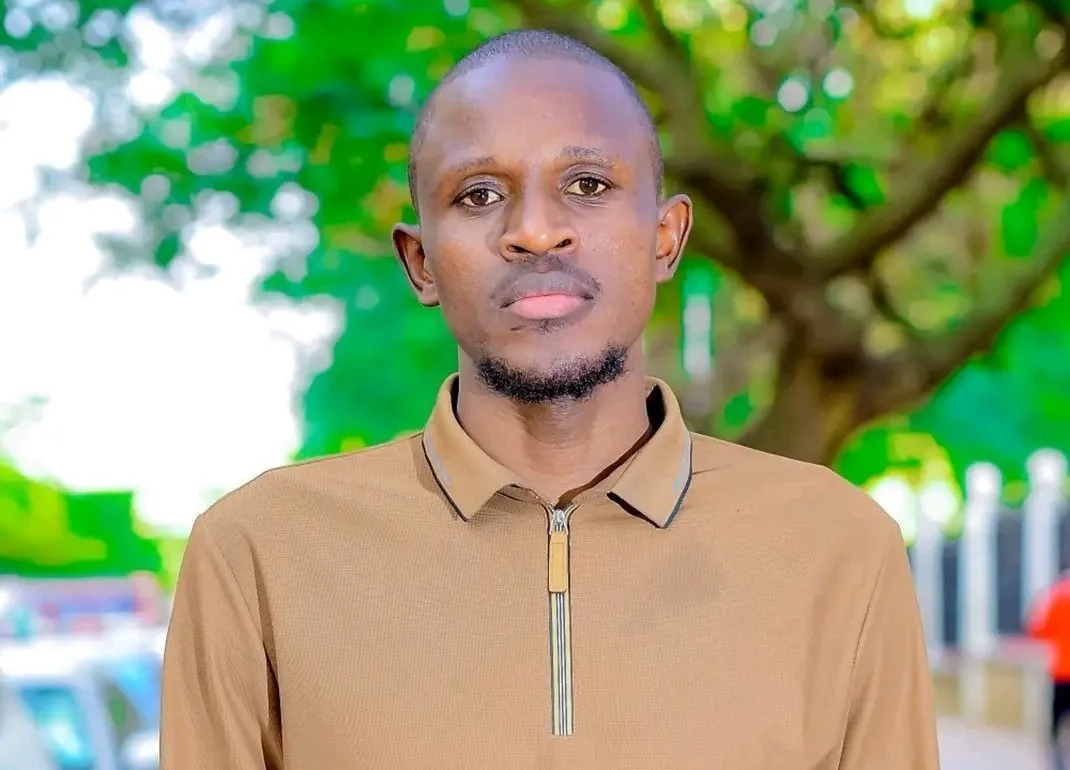
Photo Courtesy of Premier Chess Academy
A political debate is emerging over whether the political events that shaped Kenya’s first multiparty presidential election in 1992 could be playing out again, this time around Kiharu MP Ndindi Nyoro.
Kiambu Senator Paul Karungo Thang’wa has drawn parallels between
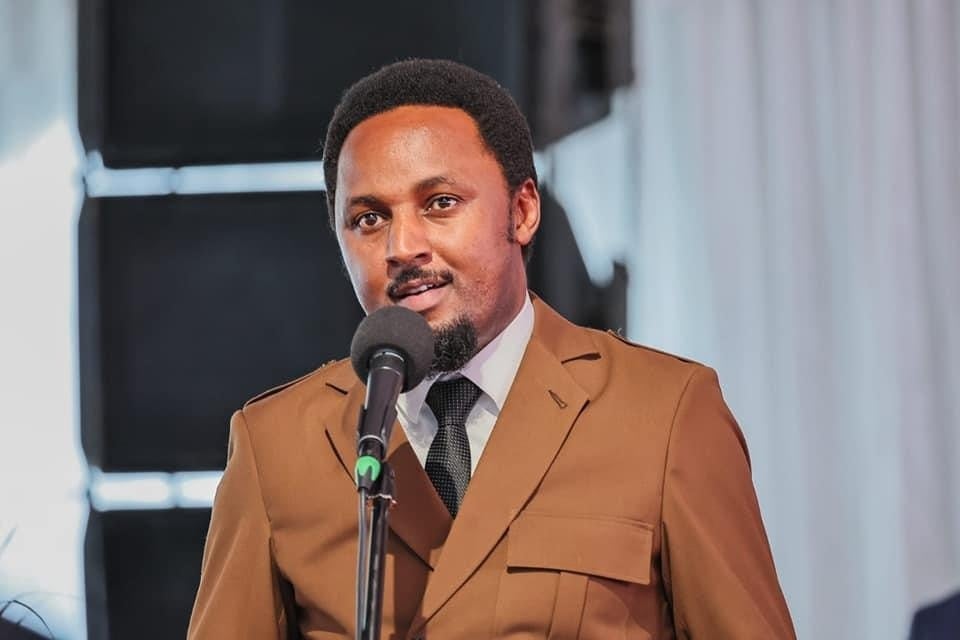
Sen Karungo Thang‘wa. Photo Courtesy of People Daily
Nyoro and the late former Cabinet minister and democracy campaigner Kenneth Matiba, arguing that Nyoro’s growing national profile and planned political tours could have a similar effect to Matiba’s presidential campaign in 1992.
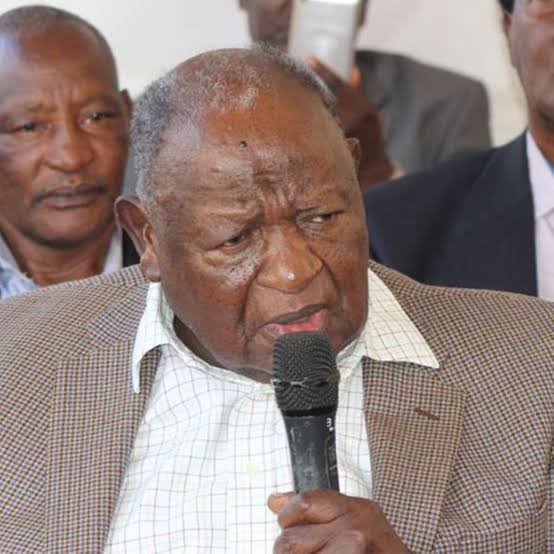
Kenneth Matiba. Photo Courtesy of Business Daily.
Both Matiba and Nyoro have represented Kiharu Constituency in Murang’a County. Matiba was one of the leading figures in Kenya’s return to multiparty politics, while Nyoro has risen through elective politics to become one of the prominent figures in the current political landscape.
The comparison comes as Nyoro expands his political activities beyond his Mt Kenya base ahead of the 2027 General Election.
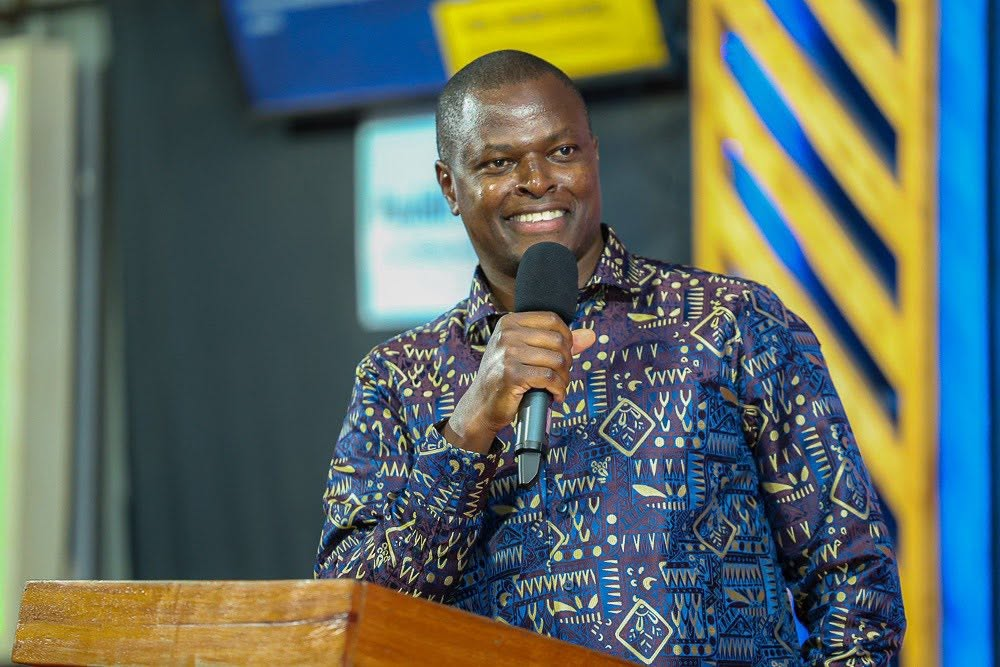
Ndindi Nyoro. Photo Courtesy of Western Insight.
Nyoro recently left the United Democratic Alliance and joined the People’s Party of Kenya. He has announced plans to tour Uasin Gishu, Nandi, Bomet, Elgeyo-Marakwet and Kericho counties, areas where he previously campaigned for President William Ruto.
“I’ll be going across Kenya. Haswa, mimi nitaenda Uasin Gishu County na nitaenda Nandi County, nitaenda Bomet County, nitaenda Elgeyo Marakwet, nitaenda Kericho,” Nyoro stated.
It is these planned visits that Thang’wa says could have a political effect similar to events surrounding Matiba in 1992.
What happened in 1992?
Kenya held its first multiparty General Election since independence on December 29, 1992, after the country returned to a multiparty political system in 1991.
The presidential contest was dominated by President Daniel arap Moi of KANU, Matiba of FORD-Asili, Mwai Kibaki of the Democratic Party and Jaramogi Oginga Odinga of FORD-Kenya.Officially reported results show that Moi won with 1,962,866 votes, followed by Matiba with 1,404,266, Kibaki with 1,050,617, and Jaramogi with 944,197.
Matiba and Kibaki together therefore received 2,454,883 votes, more than Moi’s 1,962,866.
The opposition’s division was widely seen as one of the factors that helped Moi retain the presidency.
A 1994 Writenet report, for example, described Moi’s victory as coming against an opposition divided three ways.
Lee Njiru’s account of the Matiba-Kibaki split
The current comparison has also been fuelled by an account from Lee Njiru, who served as Moi’s press secretary.
Speaking in an interview with Dr King’ori, Njiru claimed that Moi was convinced he would lose the 1992 election and was preparing to leave power.
According to the account cited by Thang’wa, Moi called Njiru and told him:
“Lee, let’s pack up and go.”
Njiru reportedly responded:“We cannot win this.”
However, Njiru says he and others developed a strategy aimed at preventing the opposition from uniting behind one candidate.
According to the account, Kibaki had launched the popular Democratic Party, commonly known as DP, while Matiba was emerging as another major political force in Central Kenya.
Thang’wa says Moi and his allies therefore decided that Matiba should run for president alongside Kibaki, creating a division in the Central Kenya vote.
Njiru claimed that money was then sought to support the strategy and that posters carrying Matiba’s image were printed.
“We went to government printer and told the government printer, We shall kill you. What we are going to do here, you shut up, we want hundreds of thousands posters featuring Matiba’s photos,” Njiru said.
Njiru further claimed that the posters were produced while Matiba was in London and that Matiba was unaware of the alleged plan.
The airport welcome
According to Thang’wa’s account of Njiru’s story, Matiba returned from London to find a large crowd waiting for him at the airport.
Njiru claimed the crowd included people brought from the Rift Valley in buses that had allegedly been given different number plates to make them appear like ordinary local public transport vehicles.
“When Matiba was coming from London, we had organized all parastatal buses to be changed number plates to transport locals from Rift Valley,” Njiru said.
Njiru also claimed that the people were deliberately brought to create the impression that Matiba had strong support outside Central Kenya.
“When Matiba was coming back from London, we organised buses to carry friendly people from Rift Valley to go and sing for him, and when he found them, he went mad with excitement, and when he was asked who would be the president, he said, Let the people decide, and that is when he double-crossed Kibaki,” Njiru said.
The phrase “Let the people decide” subsequently became strongly associated with Matiba’s political campaign.
According to the account, Matiba was subsequently encouraged to campaign in the Rift Valley to demonstrate that his support extended beyond his traditional Central Kenya base.
Thang’wa says Matiba was taken to Nakuru, where he found a large crowd, reinforcing the impression that he enjoyed support in the Rift Valley.
“We convinced Matiba’s press that people in the Rift Valley are so excited about Matiba’s entrance into the presidential race,” Njiru stated in the podcast with Dr King’ori.
Thang’wa draws a parallel with Nyoro
More than three decades later, Thang’wa says he sees similarities between Matiba’s political journey and Nyoro’s current activities.
According to the senator, however, there is one major difference: while Matiba allegedly did not know about the strategy being used around him, Nyoro is familiar with the history.
“Matiba did not know, but Ndindi Nyoro knows. Even if he doesn’t know it’s happening, he knows this history,” Thang’wa stated.
Thang’wa argues that Nyoro’s planned tour of the Rift Valley could influence political calculations in the Mt Kenya region.
The senator claims the strategy could be aimed at dividing Central Kenya votes, just as he argues happened between Matiba and Kibaki in 1992.
“It is history that is just about to repeat itself,” Thang’wa said.
Nyoro’s decision to tour the five Rift Valley counties is, however, publicly framed as part of his effort to explain his political break with Ruto and sell his new political message outside his traditional base.
Capital FM reported that Nyoro plans to explain to leaders and voters in the region why he moved away from the President after previously helping mobilise support for him.
Nyoro has also said his political project is intended to reach Kenyans across the country.
“I am for one united Kenya. We cannot leave any Kenyan behind,” he said.
Matiba and Nyoro: the Kiharu connection
The political comparison is strengthened by the fact that both men have represented Kiharu.
Matiba was a prominent figure in the struggle for multiparty democracy and later became one of the leading opposition candidates in the 1992 presidential election.
Nyoro entered Parliament as Kiharu MP in 2017 and retained the seat in 2022. His rise has placed him among the politicians attracting national attention as parties and political formations position themselves ahead of the 2027 election.
Nyoro also chaired the National Assembly’s Budget and Appropriations Committee before his recent political realignment.
The two politicians, however, operated in very different political eras.
Matiba’s political career was closely linked to the struggle against one-party rule and the campaign for political reform. Nyoro is operating under Kenya’s 2010 Constitution and within a competitive multiparty system.
Did vote splitting give Moi the victory?
The 1992 results provide a clear picture of a divided opposition.Moi received 1,962,866 votes, Matiba 1,404,266, Kibaki 1,050,617 and Jaramogi 944,197.Matiba and Kibaki alone accumulated 2,454,883 votes, while all three major opposition candidates, Matiba, Kibaki and Jaramogi, combined for 3,399,080 votes.
Will history repeat itself?
The question now is whether Nyoro’s national political ambitions and his planned Rift Valley tours will have the same political consequences Thang’wa associates with Matiba’s 1992 campaign.
Unlike Matiba, Nyoro is aware of the historical narrative and is entering the political contest in an era when Kenyans have greater access to information, social media and political. Kenyans know the script but will they evade their fate?
But the central political question remains the same: can a politician from Mt Kenya build a national support base without splitting the vote at home?
As Nyoro takes his political message to Uasin Gishu, Nandi, Bomet, Elgeyo-Marakwet and Kericho, his reception in those regions could become an important test of his national appeal.
For Thang’wa, the events are a warning that the political script of 1992 could be returning.
For Nyoro, however, the political journey is his own,and ultimately, as Matiba famously put it, “Let the people decide.”